Why the Listening Chair Changes the Shape of a Session
A listening chair can give a music session a clear start, steadier focus, and a comfortable physical frame without dictating how your room must look.
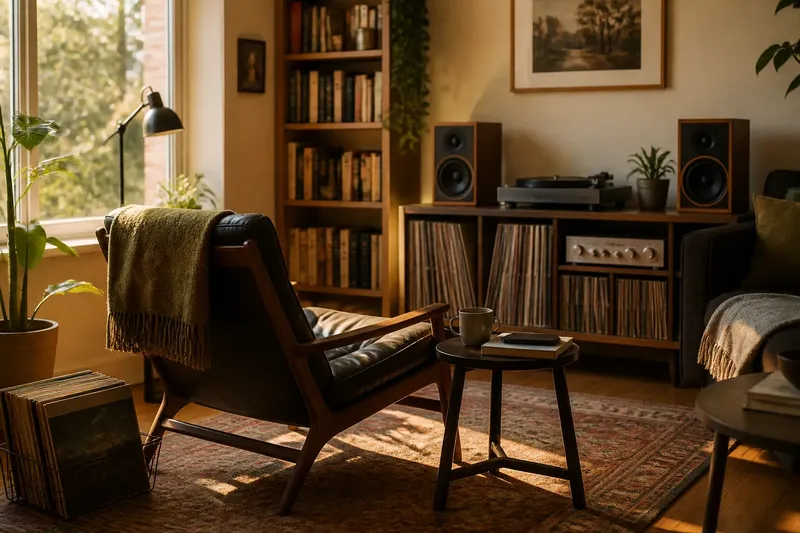
You set a record on, then spend the first song shifting between the sofa, a desk chair, and the doorway, as if the furniture has called a meeting. A listening chair gives the session a place to begin. It need not be special, expensive, or reserved for solemn album appreciation. It only needs to make sitting down feel like a small, deliberate change of attention.
That distinction matters. A chair does not improve music by decree. It can, however, shape how long you stay, what your body does while you listen, and whether the session feels separate from the errands that happen to share the room.
What does a listening chair actually change?
Most rooms already have seats. The useful question is what one seat invites you to do. A deep sofa encourages sprawling and conversation. A dining chair keeps you upright and may make a full album feel like a task. A chair with arms can offer a settled posture, while a low stool can make even a short session feel provisional.
None of those qualities is automatically right or wrong. The chair is a cue, not a command. If you repeatedly use one place when you want to listen closely, your body begins to associate that location with listening. The association can be modest: put on headphones, sit down, and stop scrolling for a while.
For that reason, the chair can give a session a clear beginning without adding ceremony. You do not need to light a candle or announce that the listening has commenced. Moving from the kitchen counter to a familiar seat is quite enough theater for most households.
How should the chair fit the room?
Start with the space you have, not an imaginary listening room. A spare armchair beside a bookcase may work better than a newly purchased lounge chair that blocks a doorway. Check whether you can reach the volume control, set down a mug, and leave the seat without negotiating with a lamp, a speaker stand, or a sleeping cat.
Keep the chair’s purpose in proportion. If it sits in a shared living room, it should still allow other people to use the room. An ottoman that can move aside, a compact side table, or a cushion that lives nearby may be more practical than a permanent rearrangement. A listening space can be a corner, not a declaration of territorial rights.
Where the speakers sit may influence where a chair feels comfortable, but there is no universal position that suits every room. Try the available places at ordinary volume. Notice whether the sound feels balanced enough for relaxed listening, whether conversation from the next room keeps pulling attention away, and whether the seat makes you want to stay. Move the chair a little if the room permits, then listen again on another occasion rather than treating one track as a verdict.
What makes a seat comfortable for listening?
Comfort is not simply softness. A very soft seat can make you sink until your shoulders round and your neck angles toward a phone. A firm seat may help you remain alert, but it can become tiresome if you are planning to listen for a while. Look for support that lets your feet find the floor or a footrest, your shoulders relax, and your head rest without strain.
Small adjustments can matter more than a different chair. A folded blanket can soften a hard back. A cushion can bring a deep seat forward. A low footrest may ease the urge to keep repositioning your legs. If a headrest makes you tilt toward the ceiling, remove it; furniture is allowed to lose an argument.
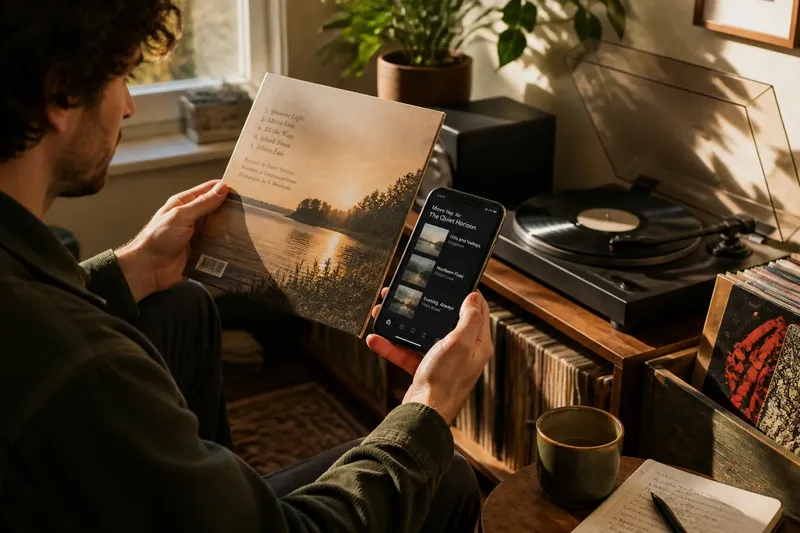
Consider what your hands tend to do. If you handle a phone, remote, notebook, or headphones during a session, a stable side table can give those objects a home. Keeping the phone within reach is useful for changing a track, but leaving it face down can make incidental checking less inviting. The point is not to ban objects. It is to decide which ones get the chair’s attention.
How can the chair mark the start of a session?
Use a small, repeatable transition rather than a complicated ritual. Choose the music, put the playback device within reach, sit down, and let the first track begin before opening another app. The sequence is brief. Its value is that it separates choosing music from half-listening while walking around the room.
Say you often mean to hear an album after dinner but end up checking messages between tracks. Imagine moving a chair slightly away from the table, setting the phone face down on a side table, and pressing play only once you are seated. The expected observable change is simple: you begin the album from the chair and are less likely to pick up the phone out of habit. If it does not help, move the phone farther away or skip the ritual. A chair should not become a tiny supervisor.
You can also let the seat define a session’s end. When you stand to return a record to its sleeve or put headphones away, the listening has a natural closing action. That does not mean every session must finish an album. It means there is a physical boundary between sitting down to hear something and leaving the sound on while life carries on around it.
How can a listening chair work when others share the room?
A dedicated seat need not imply exclusive use. In a shared room, make its cues legible but easy to ignore: a headphone hook, a small table, or a reading lamp that also serves ordinary evenings. The seat can be yours for a listening session without becoming off-limits furniture.
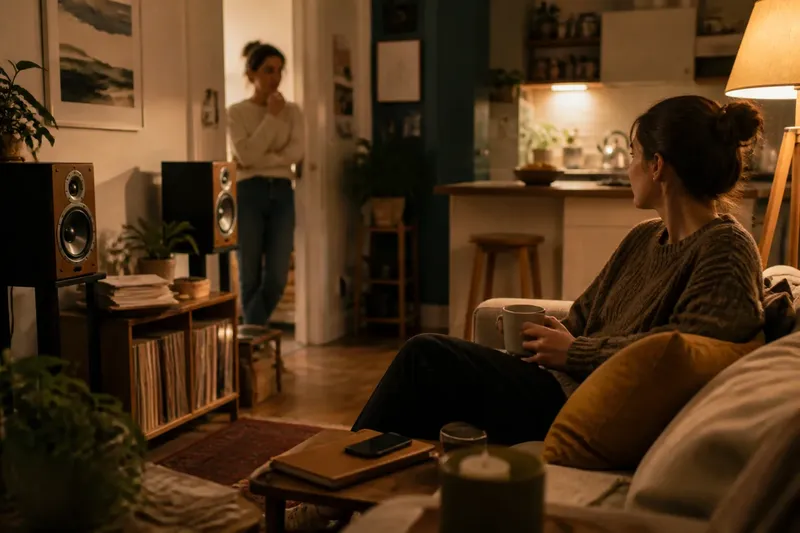
When another person joins, decide whether the chair is the listening position or simply a comfortable place to gather. If the speakers serve the room broadly, two seats angled toward each other may support conversation as well as music. If one person uses headphones, leave room for people to pass and speak without surprising them from behind.
There is no need to turn shared listening into a performance of concentration. One person can sit in the chair while another folds laundry nearby. The useful distinction is whether the music is being attended to together or merely accompanying separate activities. A seat may make attention easier to offer; it cannot demand agreement about what the evening should be.
Which listening chair questions come up most often?
Does a listening chair need to face the speakers?
It can face them if that arrangement feels comfortable and works in the room, but it need not be perfectly aligned. Choose a position where you can settle naturally and hear the music without straining to turn your head.
Can a sofa count as a listening chair?
Yes, if one end of the sofa is where you tend to sit when you want to listen. A cushion, nearby table, or consistent place for headphones can make that spot easier to use without changing the furniture.
Should a listening chair be used only for music?
No. Reserving a seat exclusively for listening may suit some homes, but it can also make the habit feel fussy. A chair that serves reading or conversation can still mark a music session when you choose to use it that way.
What if I keep moving during a session?
Movement is not a failure of attention. Check whether the seat is uncomfortable, the room is too warm, or the session would work better with a stretch between sides or tracks. Adjust the conditions rather than treating stillness as the measure of listening.
When should you change the seat?
Change it when the chair makes the session awkward: you cannot relax your shoulders, the path through the room is blocked, or the seat draws you into another task. Try moving it, adding a cushion, or using a different existing chair before buying anything. The right choice may change with the music and the company.
A listening chair is most useful when it removes a small friction and gives attention somewhere to land. That is the practical promise of a listening chair: not perfect acoustics or perfect concentration, but a familiar place from which a session can begin. Keep the seat comfortable, the route through the room clear, and the ritual light enough that you will use it again.